
Tucked into Johannesburg’s northern suburbs near Sandton, Rietfontein Nature Reserve is a roughly 25-hectare pocket of protected indigenous bushveld built around a rocky quartzite koppie, run by Johannesburg City Parks and Zoo as part of the city’s wider network of nature reserves. Walking trails wind through natural grassland and rocky outcrops, giving visitors a genuine countryside feel just minutes from the surrounding suburban sprawl. It’s valued as a quiet green escape for hikers, birdwatchers and anyone wanting to unplug from city life without leaving Johannesburg, and occasionally hosts small outdoor events and markets.
Archives: Venues
-
Johannesburg Zoo
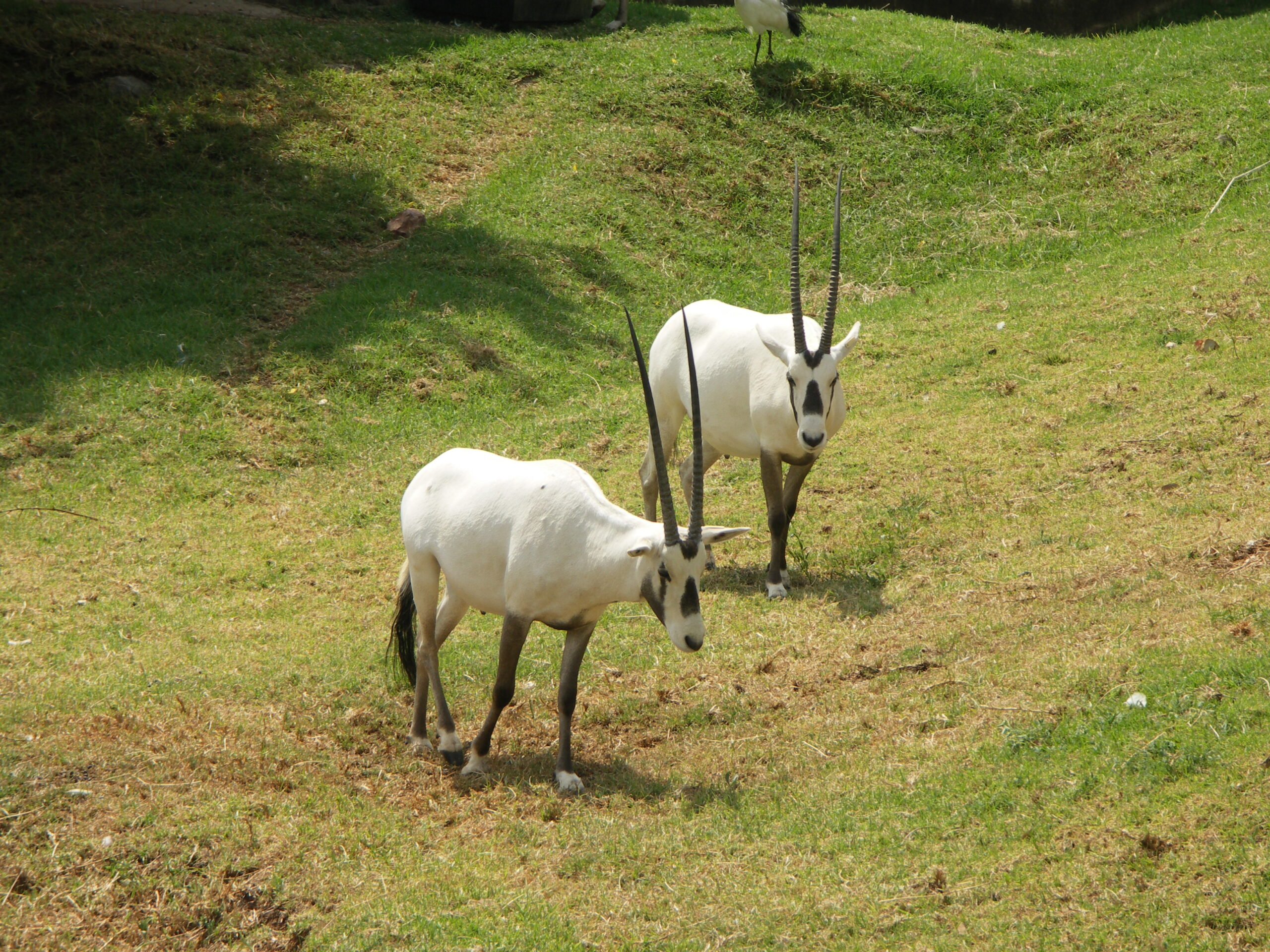
Opened on 22 March 1904 on land once known as the Sachsenwald timber plantation, Johannesburg Zoo sits alongside Zoo Lake on Jan Smuts Avenue in Parkview. Mining magnate Percy Fitzpatrick donated its first animals, two lions and a leopard, and the zoo has since grown to around 55 hectares housing roughly 2,000 animals across some 320 species. It’s known for breeding white lions and was the only South African zoo to have bred Siberian tigers, and thanks to the terms of the original land donation it remained open to all races even through the apartheid era. Today it draws well over 500,000 visitors a year and remains one of Johannesburg’s most established family attractions and a popular spot for outdoor events.
-
Mzansi Happy Island Theme Park
Formerly known as Happy Island Waterworld, Mzansi Happy Island Theme Park is a water park in the Krugersdorp/Muldersdrift area of Mogale City on Johannesburg’s West Rand, billed as one of the largest water parks in the country. It packs in a wide mix of water slides ranging from gentle family rides to steeper thrill slides, along with swimming pools, additional rides, on-site dining and locker facilities. Positioned as a budget-friendly day-trip destination, it draws families from across Gauteng for birthday parties, school outings and general splash-around fun, and continues to add and upgrade attractions as it grows.
-
Constitution Hill
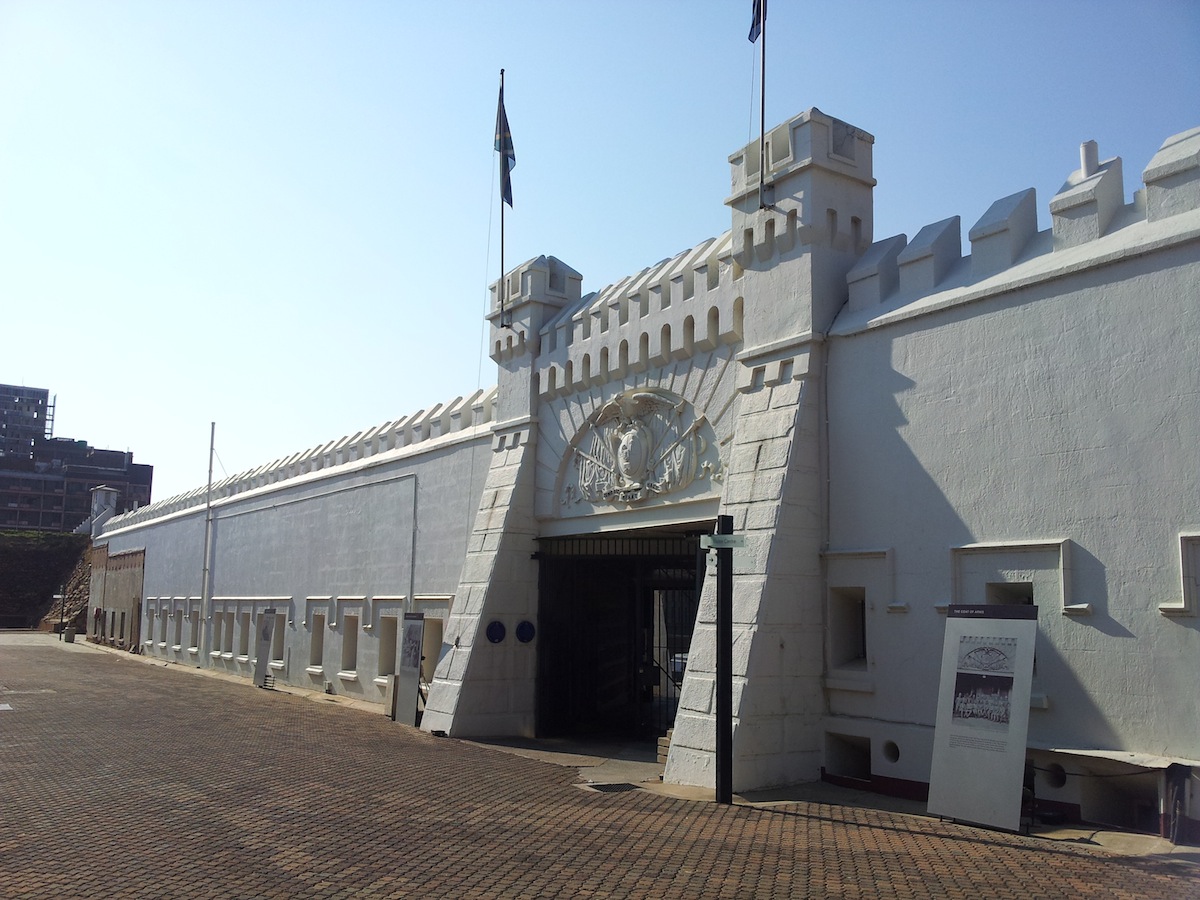
Built between 1896 and 1899 under Paul Kruger to guard the old Transvaal Republic, the Old Fort at Constitution Hill later became one of Johannesburg’s most notorious prisons. Its Number Four section held black male prisoners, including Mahatma Gandhi and Robert Sobukwe, while the 1909 Women’s Gaol held figures like Winnie Mandela and Albertina Sisulu; Nelson Mandela himself was also held here. The jail complex closed in 1983 and was declared a National Monument in 1964, and the site was later transformed into a human rights precinct anchored by South Africa’s Constitutional Court, opened in 2004 and built partly from bricks salvaged from the demolished awaiting-trial block. The court displays more than 200 contemporary South African artworks, and the wider precinct was recognised as part of a UNESCO Nelson Mandela legacy listing in 2024, making it one of the city’s most significant heritage and events sites.
-
Maropeng Exhibition Centre
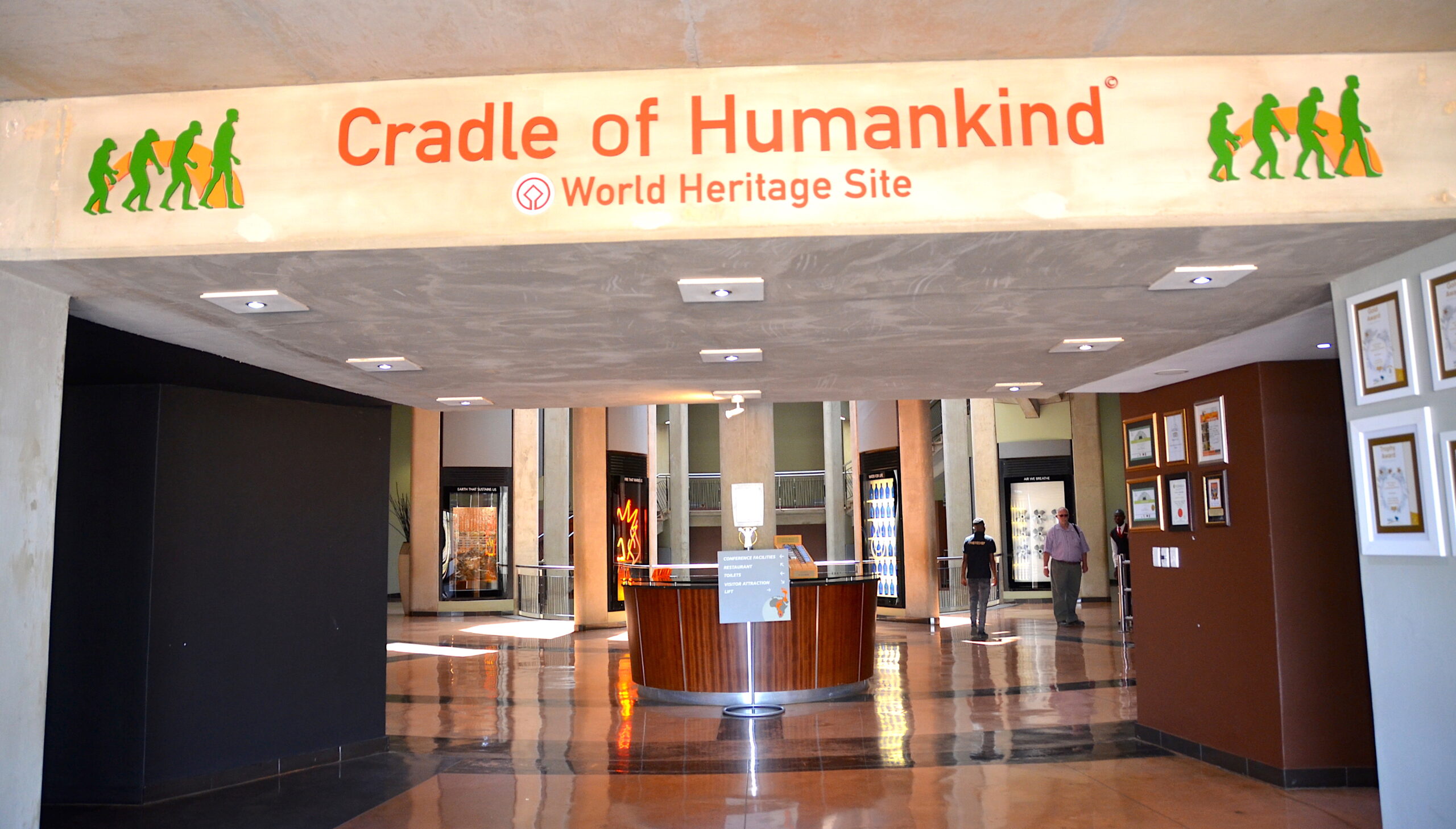
Maropeng, whose name means ‘returning to the place of origin’ in Setswana, is the official visitor centre for the Cradle of Humankind, a UNESCO World Heritage Site declared in 2000. Its interactive exhibitions take visitors through millions of years of human evolution, including displays on the Homo naledi discovery, a ‘What Makes Us Human’ section and the ‘Pathway to Humanity’ walk-through experience. Beyond the exhibition centre, the site also runs a boutique hotel, restaurant and conference facilities, and has welcomed millions of visitors since opening in the early 2000s. Its striking, partly earth-covered building design and setting in the Magaliesburg hills make it as much a landmark as a museum, and a popular venue for functions and events on the West Rand.
-
Sterkfontein Caves
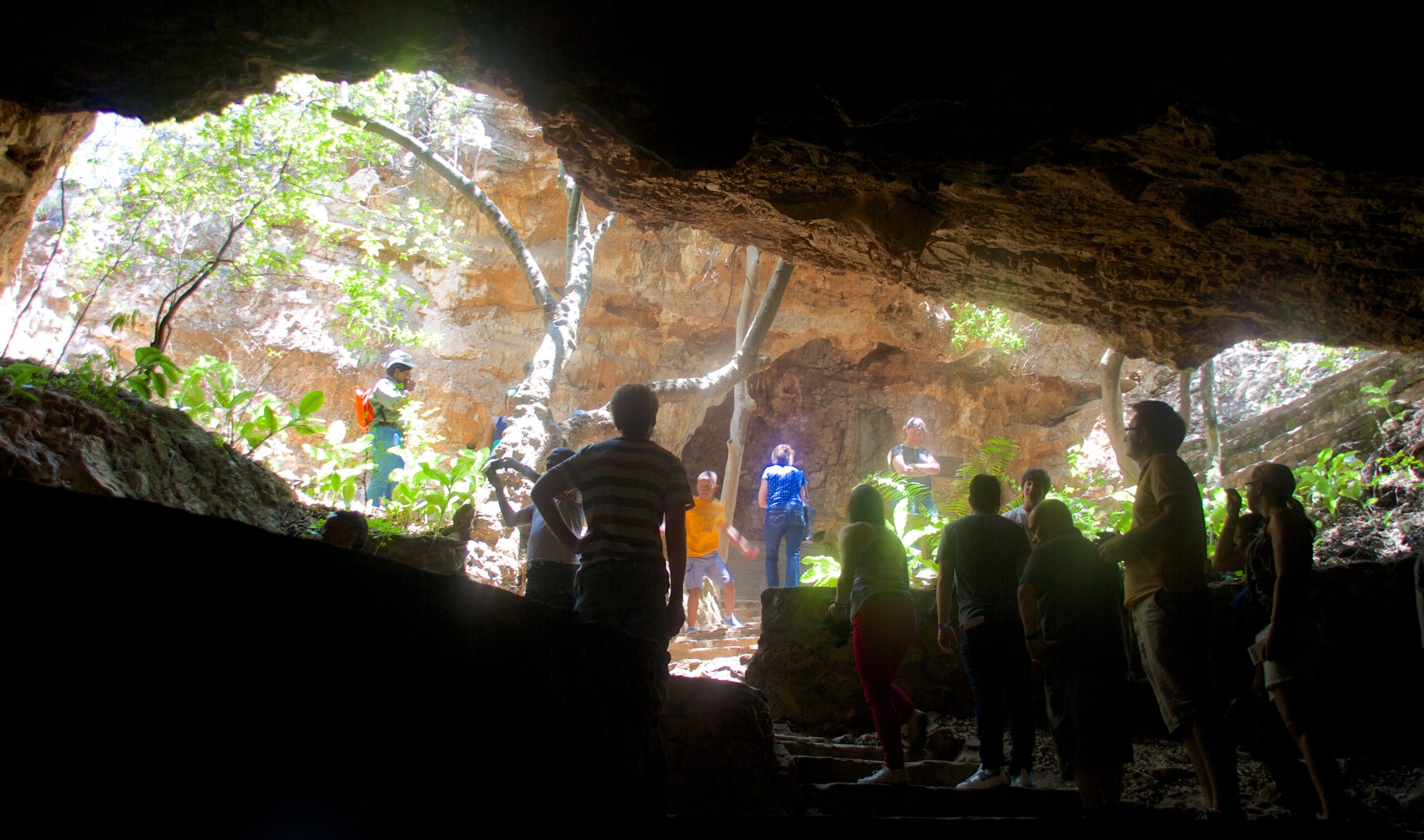
Part of the Cradle of Humankind World Heritage Site near Krugersdorp, Sterkfontein Caves is a limestone cave system first flagged as geologically significant in the late 1890s, though decades of lime mining in the early 1900s destroyed many fossils before their scientific value was understood. Serious excavation began under Robert Broom in 1936, leading to the 1947 discovery of ‘Mrs Ples,’ a roughly 2.1-million-year-old Australopithecus africanus skull. Researcher Ron Clarke later uncovered ‘Little Foot,’ a near-complete Australopithecus skeleton, first noticed in 1994-95 and fully excavated by 1997, and a 2022 Wits University study re-dated the deposits as around a million years older than previously thought. One of the richest hominid fossil sites in the world, the caves remain open for guided tours and continue to draw visitors and researchers from across the globe.
-
Apartheid Museum
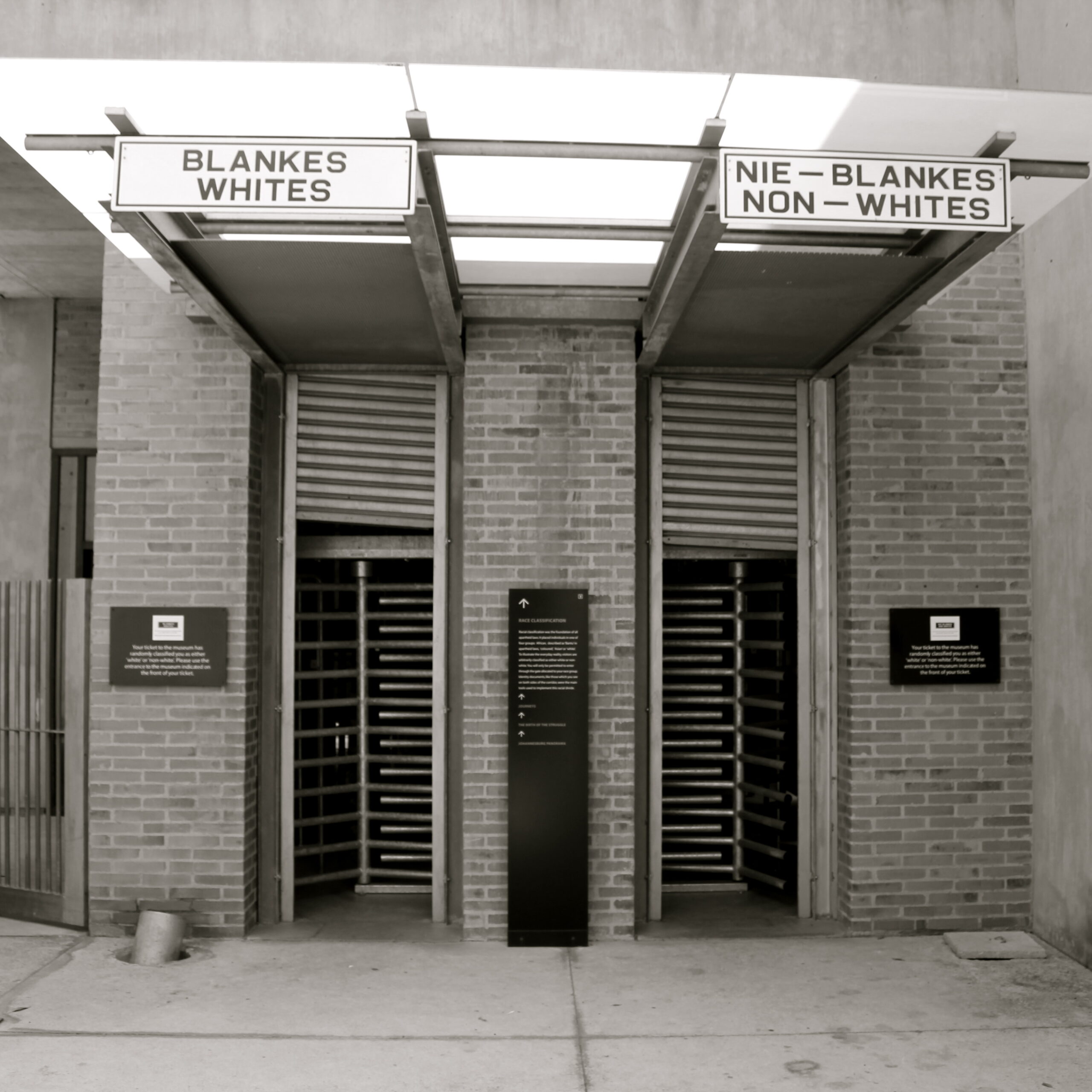
Opened in November 2001 within the Gold Reef City complex in Ormonde, the Apartheid Museum was built on a 7-hectare site at a cost of around R80 million, funded as a condition of the neighbouring casino’s gaming licence. On arrival, visitors are randomly issued a ‘white’ or ‘non-white’ ticket that routes them through separate entrances, deliberately echoing apartheid-era segregation. Across 22 exhibition areas, film, photography, text and artefacts trace South Africa’s history from before apartheid through to its fall, with a section called ‘Pillars of the Constitution’ spotlighting the country’s seven founding values. Chaired by actor and playwright John Kani, it’s widely regarded as the world’s leading museum on 20th-century South African history and remains a major stop for visitors and school groups alike.
-
Market Theatre
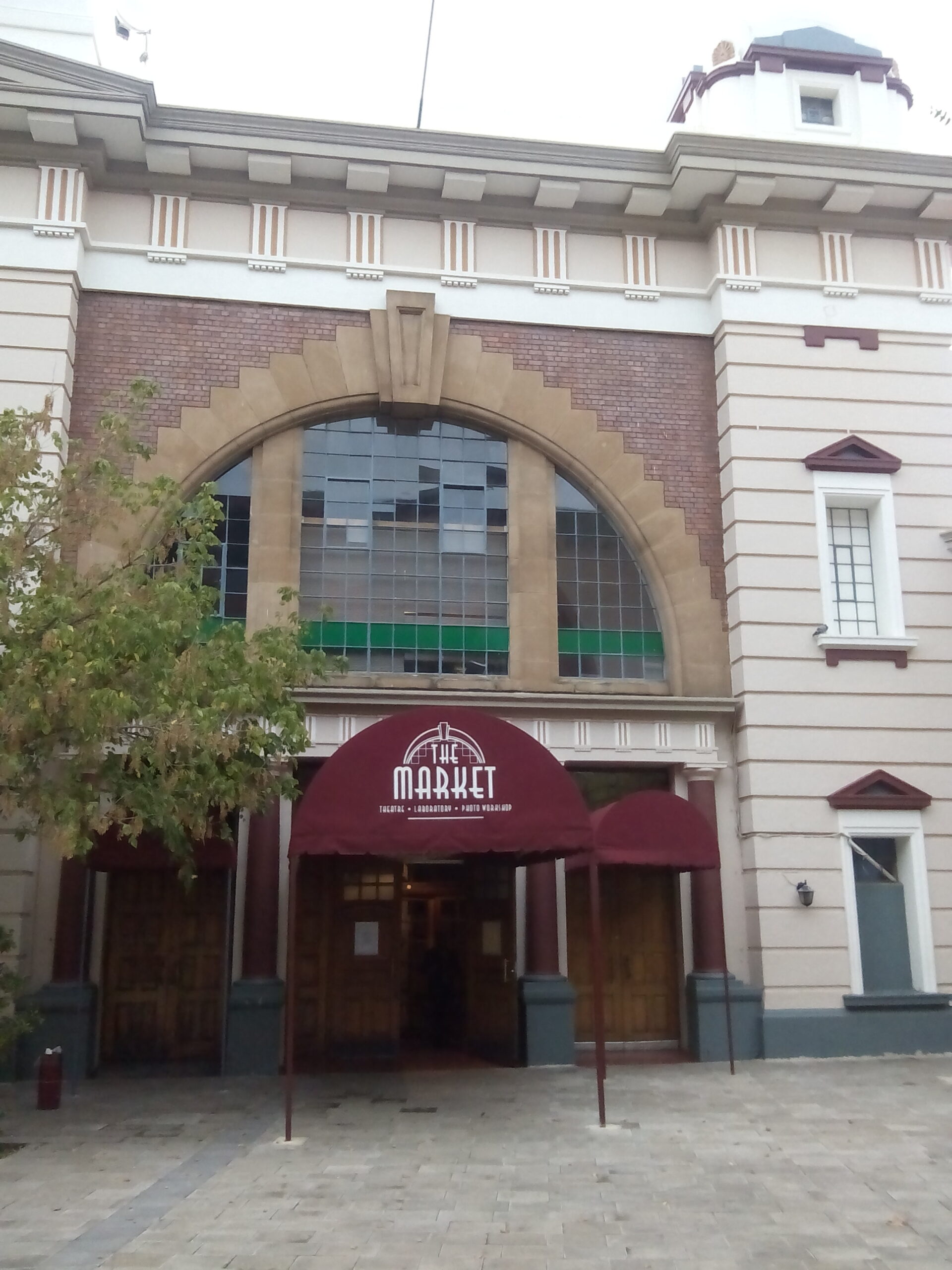
Founded on 21 June 1976 by Barney Simon and Mannie Manim inside a converted 1913 fruit-and-vegetable market building in Newtown, the Market Theatre opened with a production of Chekhov’s The Seagull and quickly became known internationally as the ‘Theatre of the Struggle.’ During apartheid it was one of the few Johannesburg venues where black and white performers and audiences mixed as equals, staging landmark anti-apartheid work closely associated with playwright Athol Fugard and actor John Kani. The complex now houses three stages, the Barney Simon, John Kani and Laager theatres, alongside two galleries, a jazz club, restaurants and a bookshop. It has picked up more than 20 international and over 300 South African awards over the decades, and remains one of the country’s most important homes for new and challenging theatre.
-
The Bioscope Independent Cinema
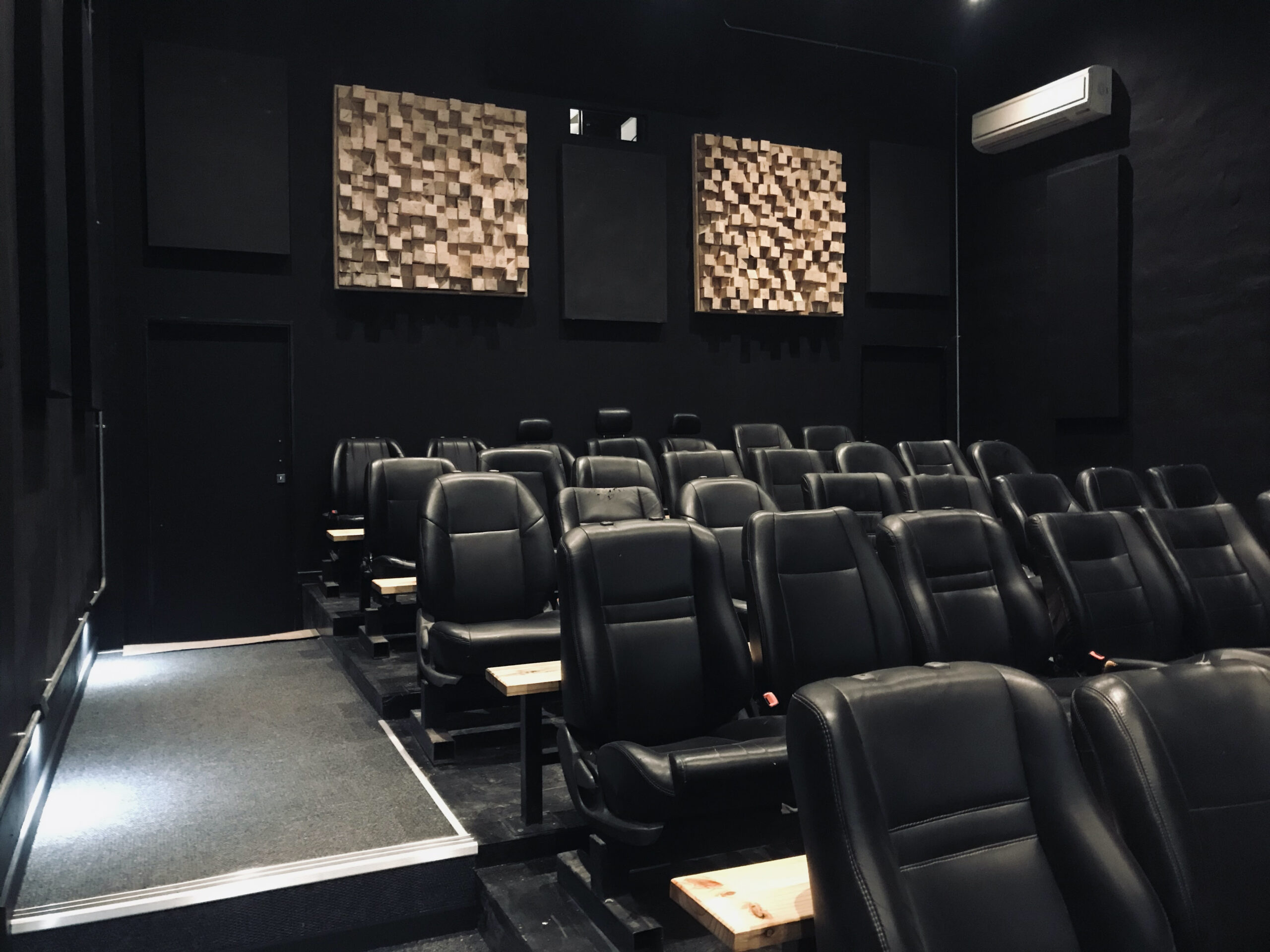
Founded by illustrator Russell Grant as Johannesburg’s original independent cinema, The Bioscope started life in Maboneng before relocating to the 44 Stanley retail and creative precinct, reopening there in July 2020 around its tenth anniversary. It screens arthouse, documentary and African film alongside themed nights covering French and Spanish-language cinema and the odd sing-along screening, giving Johannesburg a genuine alternative to the multiplex circuit. The cinema is also available for private hire, hosting everything from birthday parties to conferences and small screenings, and runs a gift shop selling movie memorabilia and merchandise designed by Grant himself. It’s a firm favourite with the city’s film buffs and a cosy, characterful spot for anything from a quiet matinee to a themed event night.
-
Wits Anglo American Digital Dome
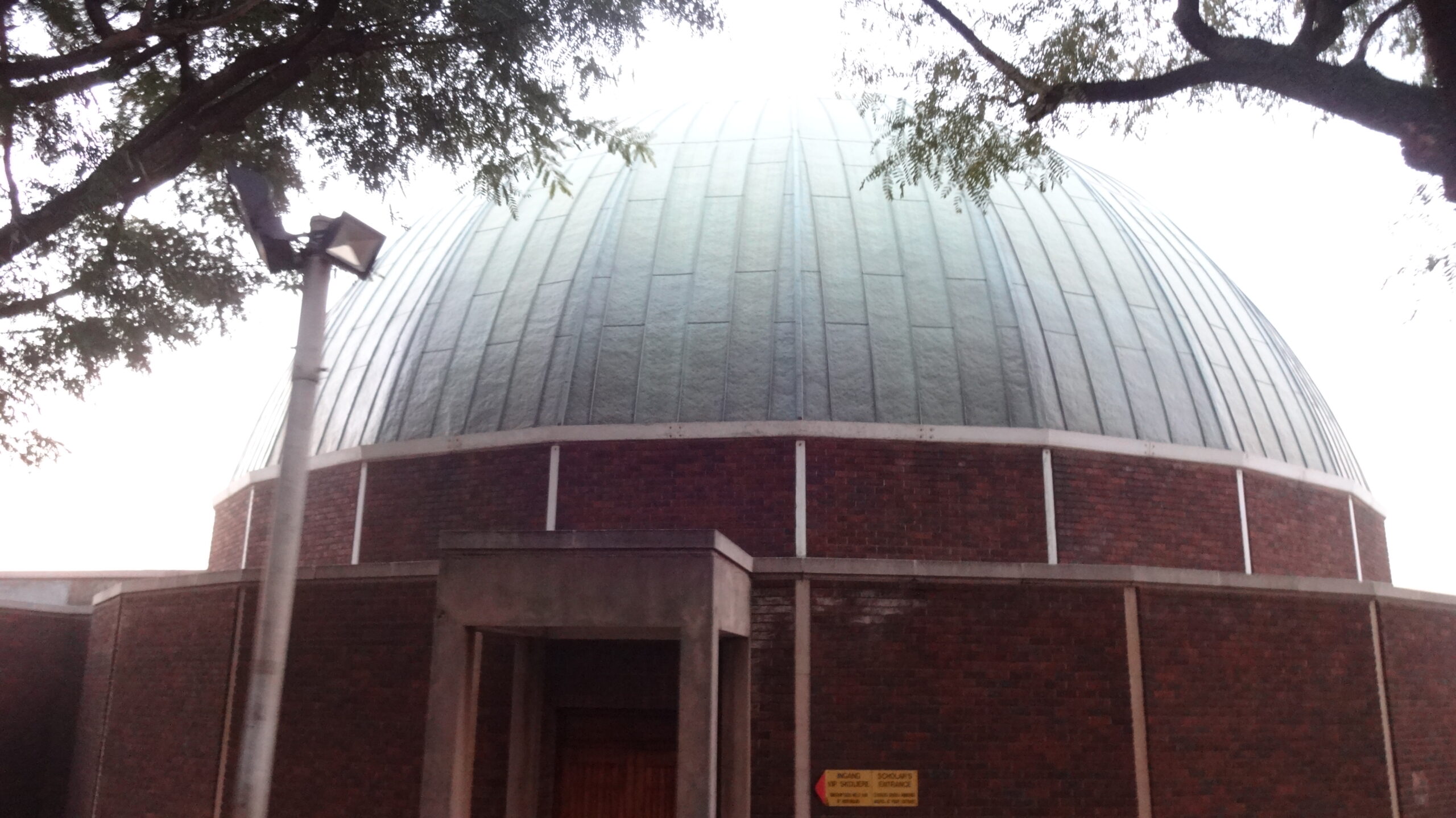
Opened on 12 October 1960 as the Johannesburg Planetarium, this Wits University venue was the first full-size planetarium in Africa and only the second in the southern hemisphere, built around a second-hand Zeiss projector shipped over from Hamburg and refurbished before installation. Its first director, Arthur Bleksley, is said to have delivered around 2,000 lectures there over the years. In 2022 Anglo American partnered with Wits to modernise the space into the current Digital Dome, adding high-resolution projection, surround sound and a reconfigurable seminar layout. Run by the university’s School of Physics, it now serves as both a public astronomy venue for shows and talks and a research and teaching facility, making it a distinctive space for anything from stargazing events to immersive audiovisual experiences.